Home › Blog › Styling Tips› 10 Ways to Style Your Living Room with Natural Textures

10 Ways to Style Your Living Room with Natural Textures

Layer wood, woven fibers, soft fabrics, and earthy accents to create a living room that feels warm, balanced, and easy to live in.

Portrait of the OKHomeGoods blog author
By OKHomeGoods

October 18, 2026 · 7 min read

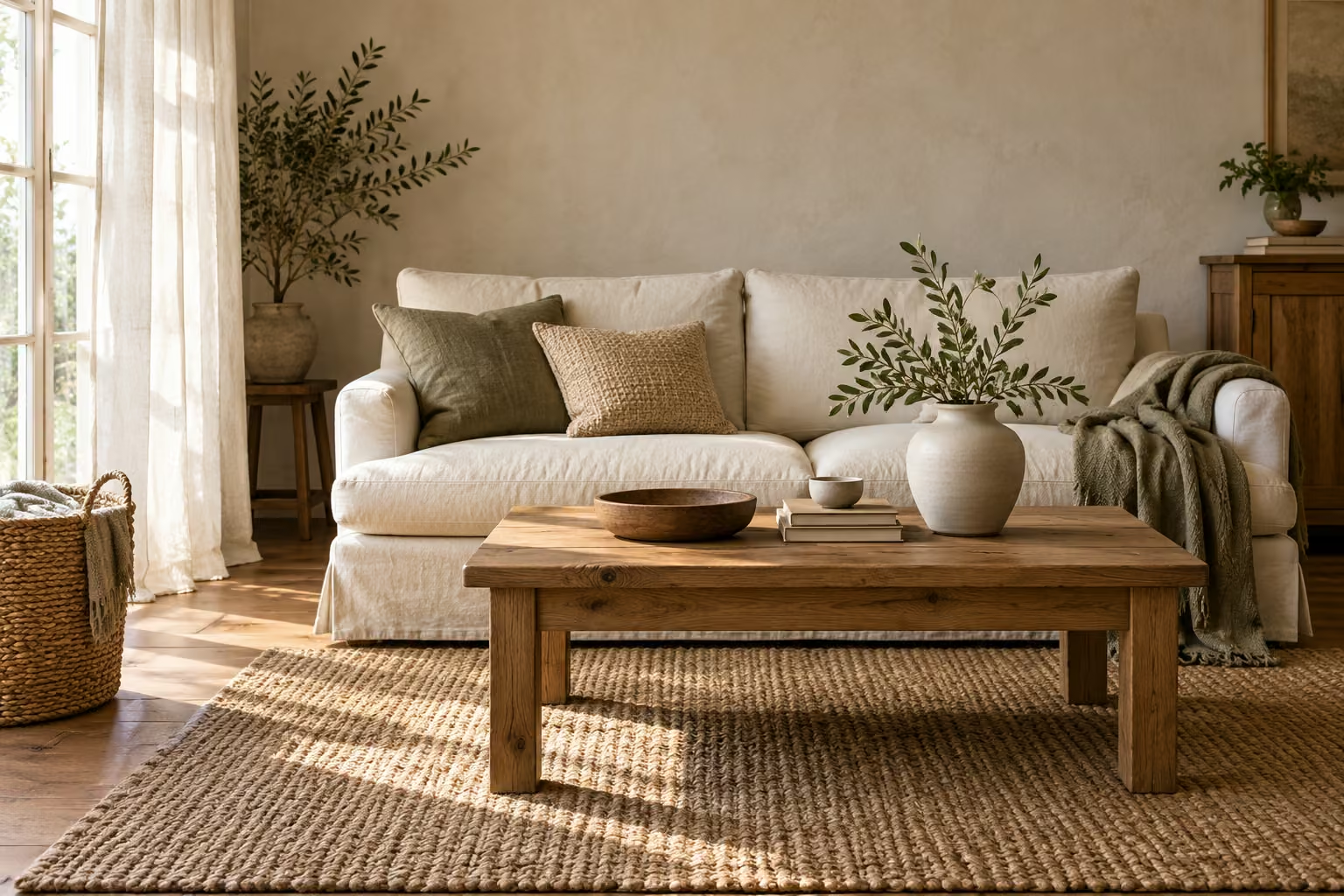
Cream sofa with textured cushions, a wooden coffee table, woven rug, and basket in a sunlit living room.

A living room can have a comfortable sofa and a well-planned color scheme and still feel a little flat. Often, the missing ingredient is contrast: the visible grain of wood beside a soft cushion, an open basket weave against smooth upholstery, or a matte vase catching the light.
Styling your living room with natural textures starts with what is already there. Look at the floor, furniture, and fabrics before adding anything new. Then choose one or two surfaces that would benefit from a different feel. The ten ideas below are grouped into five simple stages, so you can work on one corner or gradually bring the whole room together.

1. Build a Soft Foundation

I. Ground the Seating Area with a Woven Rug

A rug introduces texture across a large part of the room, making it a useful starting point. A jute or sisal weave can bring an earthy look, while a wool or cotton rug may suit a space where softness matters more. Compare the actual weave and feel rather than choosing by material name alone.

Measure the seating area before shopping. Where the layout allows, choose a rug large enough for the front legs of the sofa and nearby chairs to sit on it. This helps the furniture read as one group instead of separate pieces around a small mat.

Try this: If you like a woven look but spend time sitting on the floor, test a sample for comfort and check the care instructions before committing.

II. Layer Linen or Cotton Cushions

Cushions let you introduce natural fibers without changing the sofa. Pair a fine linen weave with a heavier woven cotton cover, or place a softly crumpled cushion beside smoother upholstery. Keeping the colors close makes those differences easier to notice.

For a simple starting arrangement, use two larger cushions and one smaller cushion in cream, oatmeal, or muted olive. Add a cotton throw over one arm if the room needs another soft layer. Leave enough clear seating space for everyday use.

Texture Tip: Vary the weave before adding more colors. Two fabrics in similar shades can create depth without making the sofa feel busy.

2. Bring in Wood and Woven Storage

III. Create a Focal Point with a Wooden Tray

A wooden tray gives small objects a defined place while bringing grain and warmth to a coffee table. On a pale table, a darker tray creates contrast. On a dark surface, a lighter wood tone can help the arrangement stand out.
Start with the items you actually use, such as a remote and a small notebook. Add one decorative object only if there is room. Check the tray’s internal dimensions so everything fits, and leave a clear area beside it for a drink or an open book.

Try this: Gather the items on a sheet of paper first. Measure the space they occupy before choosing a tray.  For a more pronounced surface detail, consider the Ribbed Wooden Decor Tray and check its dimensions against your coffee table.

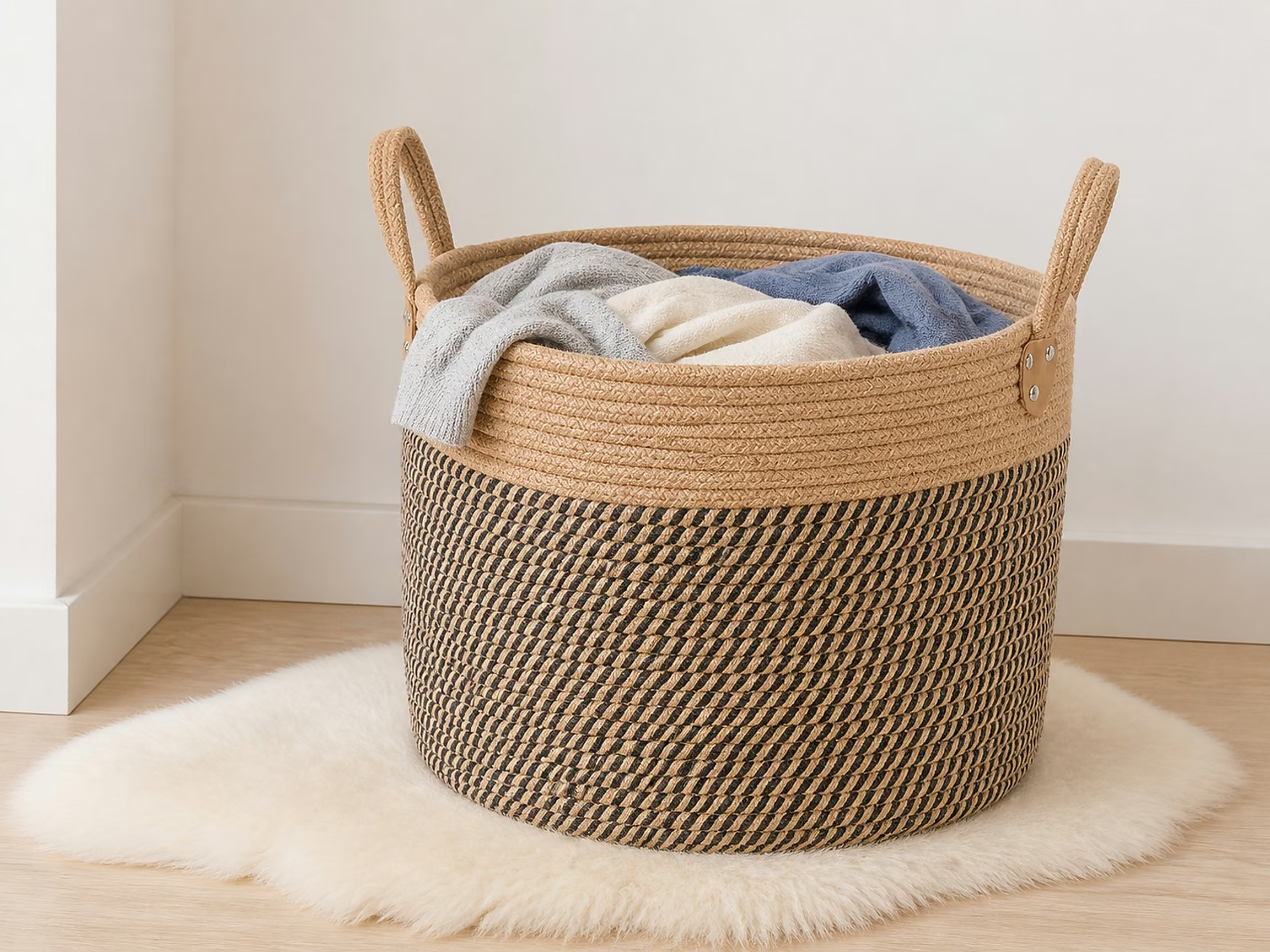
IV. Use One Woven Basket for Everyday Storage

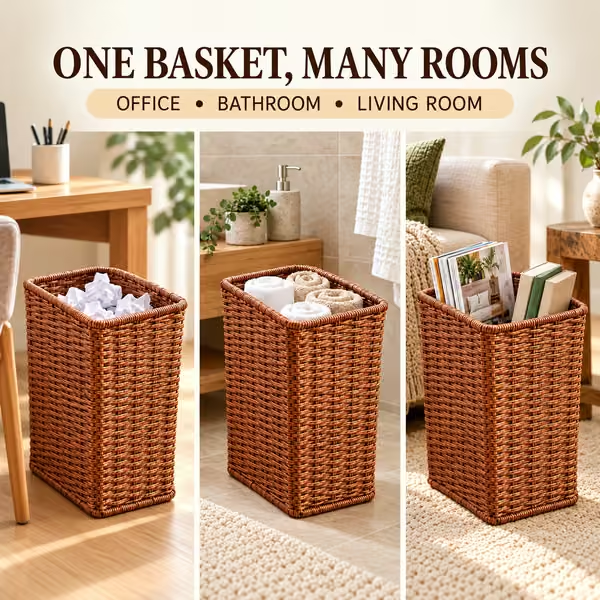
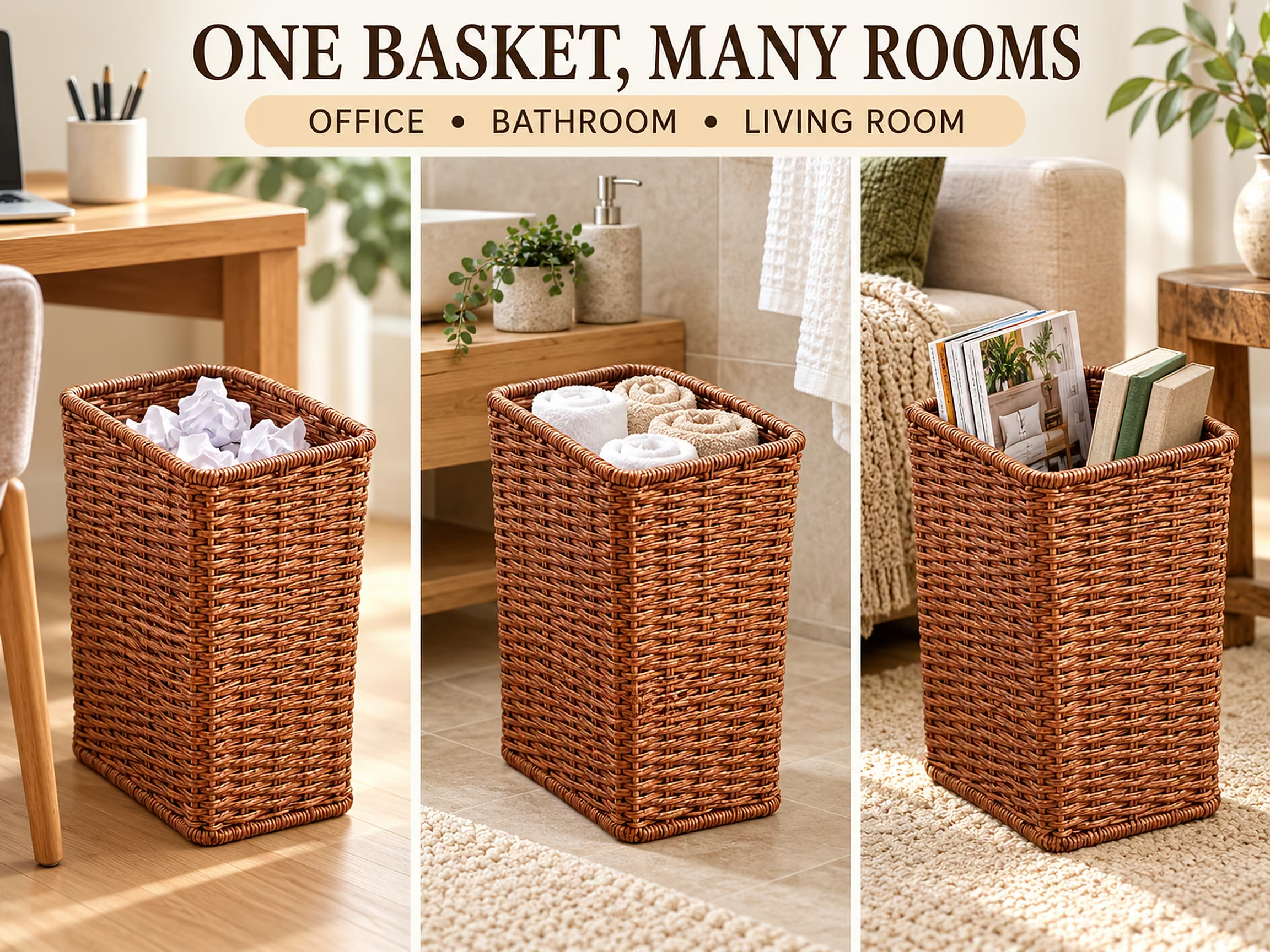
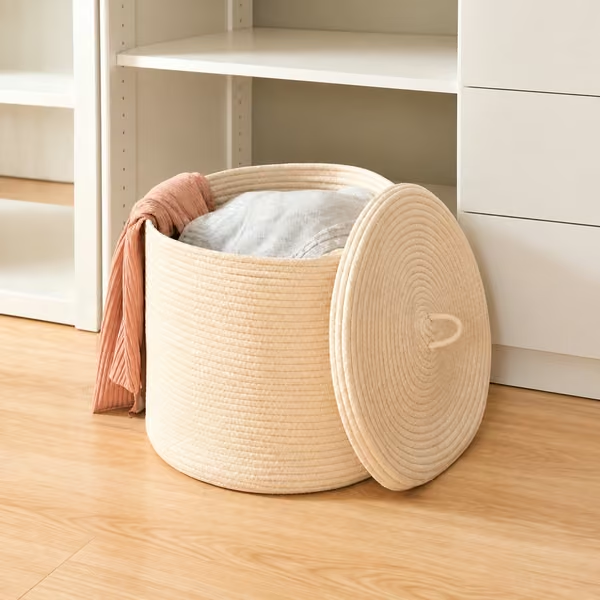
A basket adds a coarser texture beside a sofa or armchair while giving loose items a home. Choose a purpose before choosing the shape: a throw needs a wider opening, while a few magazines may fit better in a narrower basket.
Check the material description if you want natural fibers; a woven appearance does not always mean rattan, seagrass, or another plant fiber. Place the basket within reach of the seat, with enough room to walk past it comfortably.

Small-Space Tip: Try replacing an existing storage bin with a woven basket before adding another object to the floor.
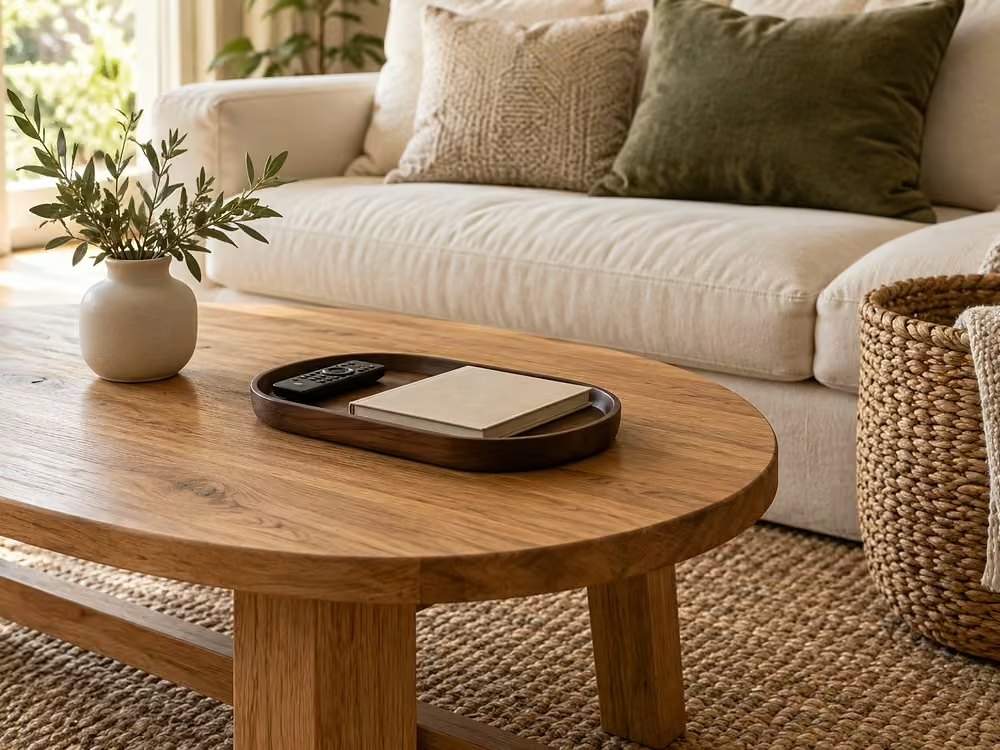
Wooden tray with a remote and notebook on a coffee table beside a woven basket and cream sofa.

3. Balance Ceramics and Soft Fabrics

V. Pair Wood with Matte Ceramics

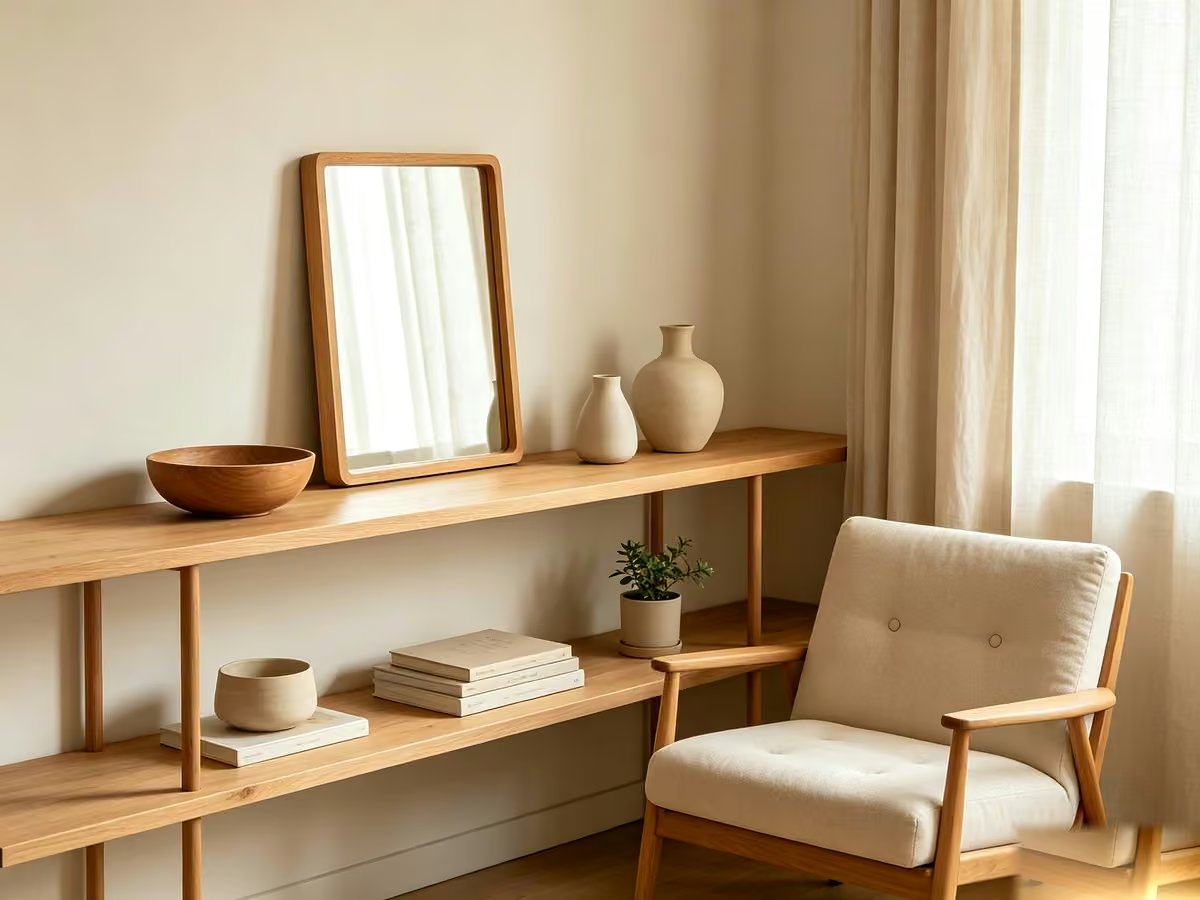
Matte ceramics bring a quieter surface beside pronounced wood grain or chunky weaving. A simple rounded vase can soften the lines of a rectangular console, while a low ceramic bowl works well where you want to keep the view across the room open.
Choose one piece with a clear shape and give it some space. If both the wood and the ceramic have strong patterns, simplify the objects around them. The contrast should be easy to see without every item competing for attention.

Try this: Place a pale vase on a darker wood surface, then step back to check its size from the doorway.  For more help choosing wood tones and finishes, read How to Choose Wooden Decor for Everyday Spaces.

VI. Soften the Windows with Linen or Cotton Curtains

Curtains add texture vertically, balancing the materials already concentrated around the sofa and floor. Linen or cotton panels can introduce a visible weave and gentle folds. Check the fiber label if material composition matters to you; “linen-look” describes an appearance and may refer to a different fabric.
Choose the curtain construction around the room’s needs. An unlined panel may filter daylight, while privacy or stronger light control may call for a lining or a separate blind. Compare a fabric sample in both daytime and evening light.

Practical Tip: Let the curtains clear the floor slightly in a busy room, so their softness does not come at the expense of easy movement and cleaning.

4. Add Greenery and Stone

VII. Introduce a Plant or a Few Leafy Branches

Leaves add an irregular outline that contrasts with straight furniture edges and repeated fabric weaves. You do not need greenery on every surface. One plant beside a reading chair, or a few branches in a vase, can give a corner a clear point of interest.
Choose a living plant for the light and care you can provide in that location. If you use cut stems, keep the arrangement loose enough to see the shape of individual branches. Use a suitable watertight vessel and protect the surface beneath it.

Try this: Place the greenery where its outline shows against a plain wall instead of disappearing into a busy shelf.

VIII. Add One Stone Accent

A small stone bowl, a set of stone coasters, or another simple accent can introduce a different texture beside fabric and wood. Look for a surface you enjoy: subtle veining, fine speckles, or a more visibly porous finish.
Start small, particularly if the room already has a stone fireplace or a strongly patterned floor. A single accent may be enough to echo what is there. Check whether the item is natural stone or a stone-effect material, and follow its care instructions rather than assuming it is stain-resistant.

Balance Tip: Pair a visually detailed stone piece with a plain textile or simple wood surface so the material remains easy to appreciate.
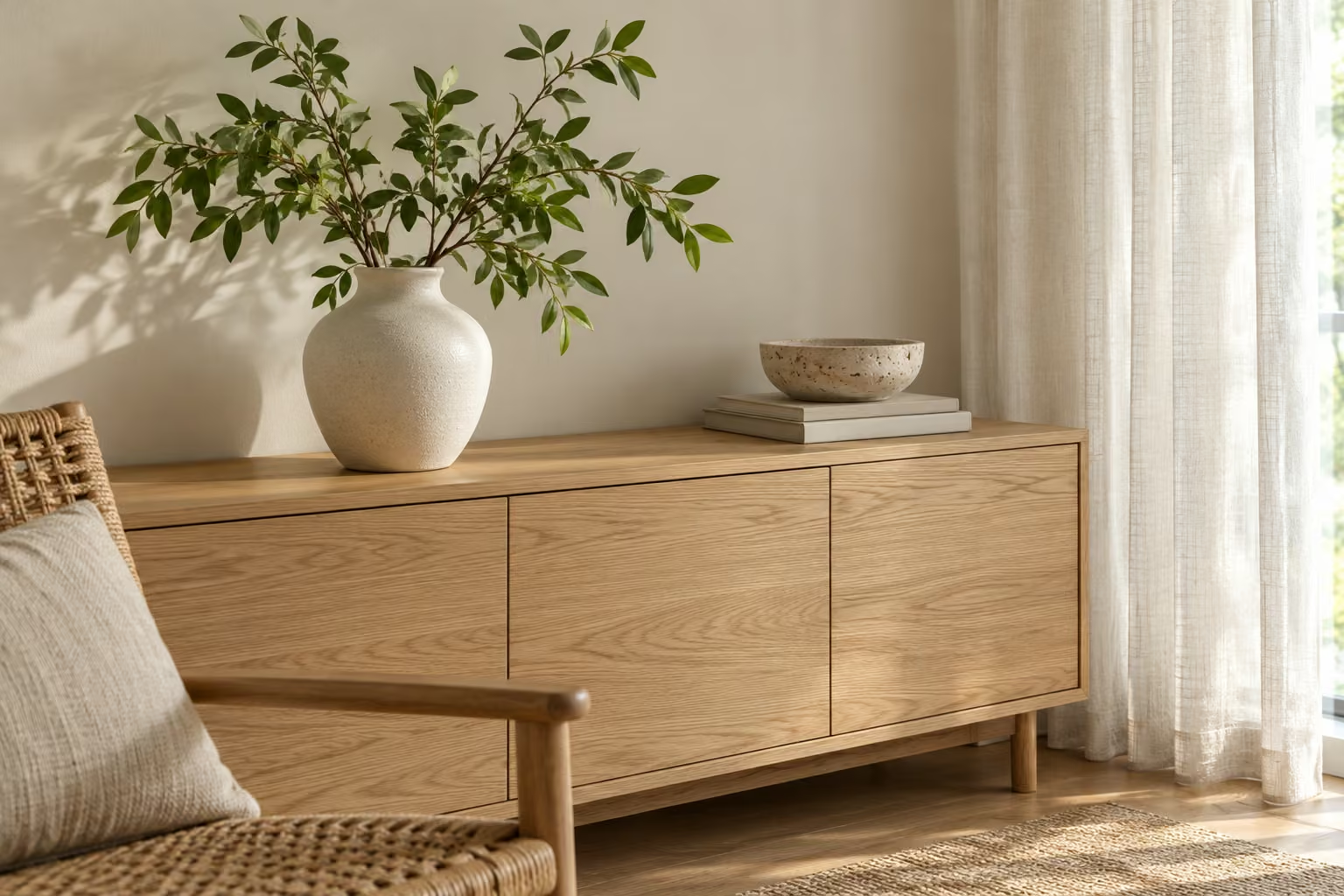
Leafy branches in a ceramic vase and a pale stone bowl on a wooden sideboard beside sheer curtains.

5. Finish with Light and Repetition

IX. Use Side Lighting to Reveal Texture

Lighting changes how strongly you notice a material’s surface. Light falling across a basket weave or a textured cushion creates small shadows that reveal detail. A room lit only from directly overhead can make those same materials look less distinct.
Try moving an existing table lamp to one side of the seating area. Look at the room from your usual seat and adjust the position until you can see the texture without uncomfortable glare. During the day, open the curtains enough to let light reach the materials you want to highlight.

Lighting Tip: Check the arrangement after sunset as well as in daylight. A balanced daytime corner may need a small adjustment in the evening.
X. Repeat a Small Material Palette

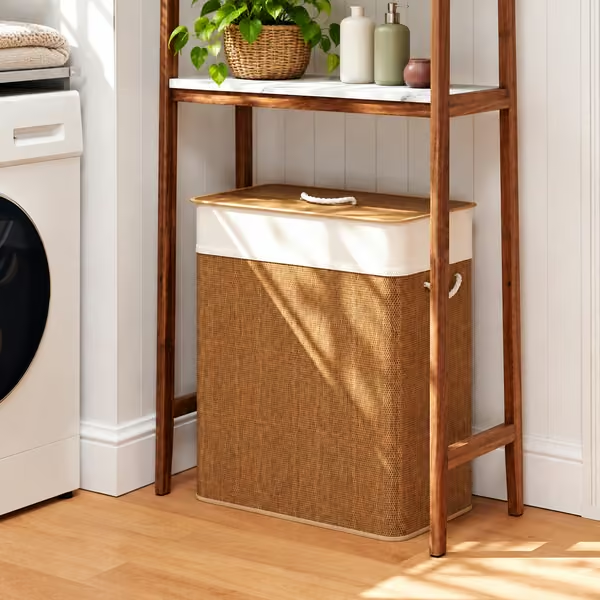
Repetition connects the different parts of the room. Choose a few materials already working well together, then echo them in another location: a wood tray near a wood-framed chair, a woven basket beside a woven rug, or a ceramic vase that relates to a lamp base.
Keep the repetition loose. The wood finishes do not need to be identical, and every fabric does not need the same weave. Look for a shared tone or similar softness, then keep a little contrast so the room does not feel overly matched.

Try this: Before adding something new, ask whether moving an existing piece would create the connection you need.  If you want a quicker starting point, try our 5-Minute Home Styling Tips before making a larger change.

Your Final Texture Check

Start with One Comfortable Corner

You do not need to try all ten ideas at once. Begin with the place where you spend the most time: add a softer cushion, gather everyday items on a wood tray, or give a woven basket a useful job. Live with that change before deciding what the room needs next.

A few well-placed textures can make a living room feel more inviting while leaving space for the way you actually live.

Stay Inspired

Get practical home ideas, styling inspiration, seasonal updates, and simple care tips delivered to your inbox.

No spam. Unsubscribe anytime.

Need a Hand?

Have a question about a product, care, or your order? Send us a message and we'll be happy to help.
OKHomeGoods Contact Form