A room does not need a complete makeover to feel noticeably better. Often, the fastest improvements come from small decisions—clearing one crowded surface, changing the way a few objects are grouped, adding a softer texture, or making better use of the light already in the room.These five quick styling ideas are designed for everyday spaces and can usually be tried in just a few minutes with pieces you already own. The goal is not to make your home look staged, but to make it feel calmer, warmer, and more intentional.
1. Clear One Visible Surface
The quickest way to make a room feel calmer is to simplify one surface you see every day. Coffee tables, kitchen counters, consoles, and bedside tables tend to collect small objects over time, and even useful items can begin to create visual noise when too many of them compete for attention.
Take everything off the surface for a moment, then return only what is useful, meaningful, or visually strong. You do not need to make the area empty. The goal is to create enough open space around the remaining objects so that each one looks intentional rather than accidental.
Quick Tip: You do not need to declutter the entire room. Improving one prominent surface can immediately make the surrounding space feel more organized.
2. Create One Focal Point
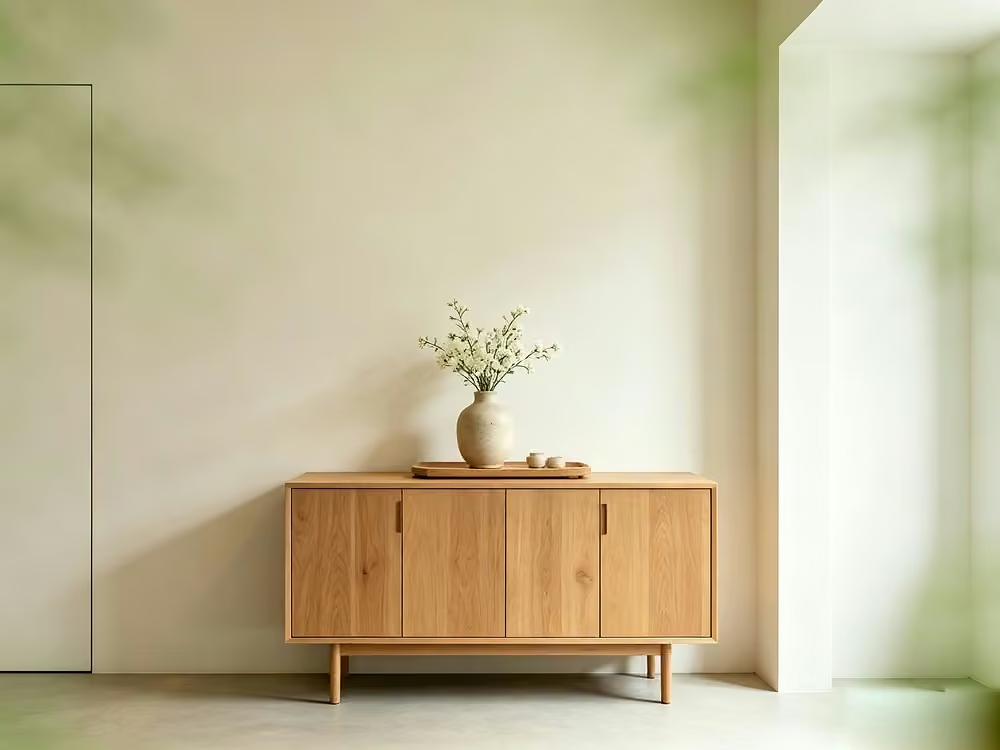
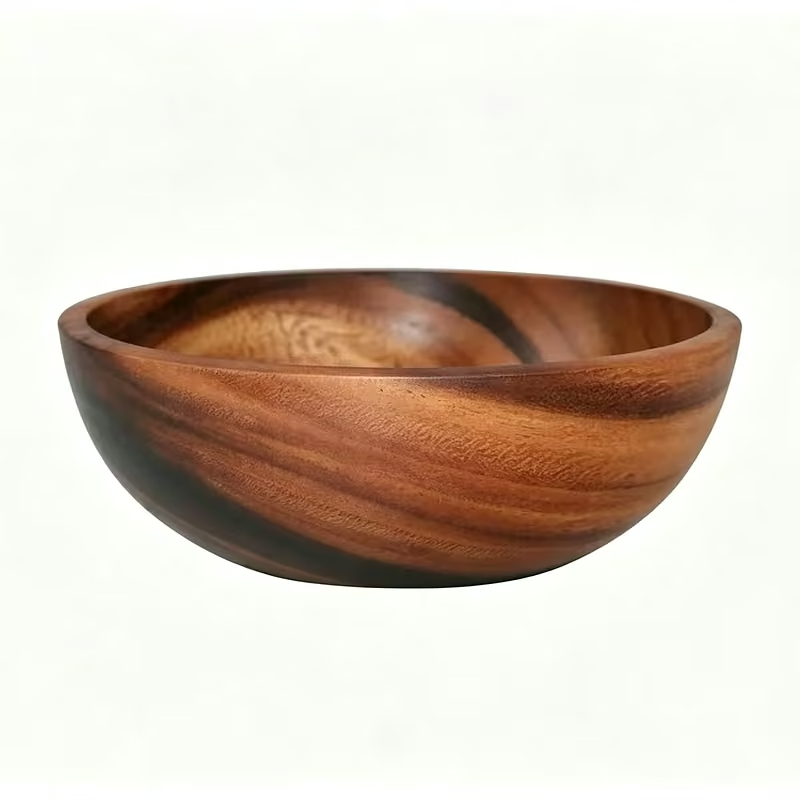
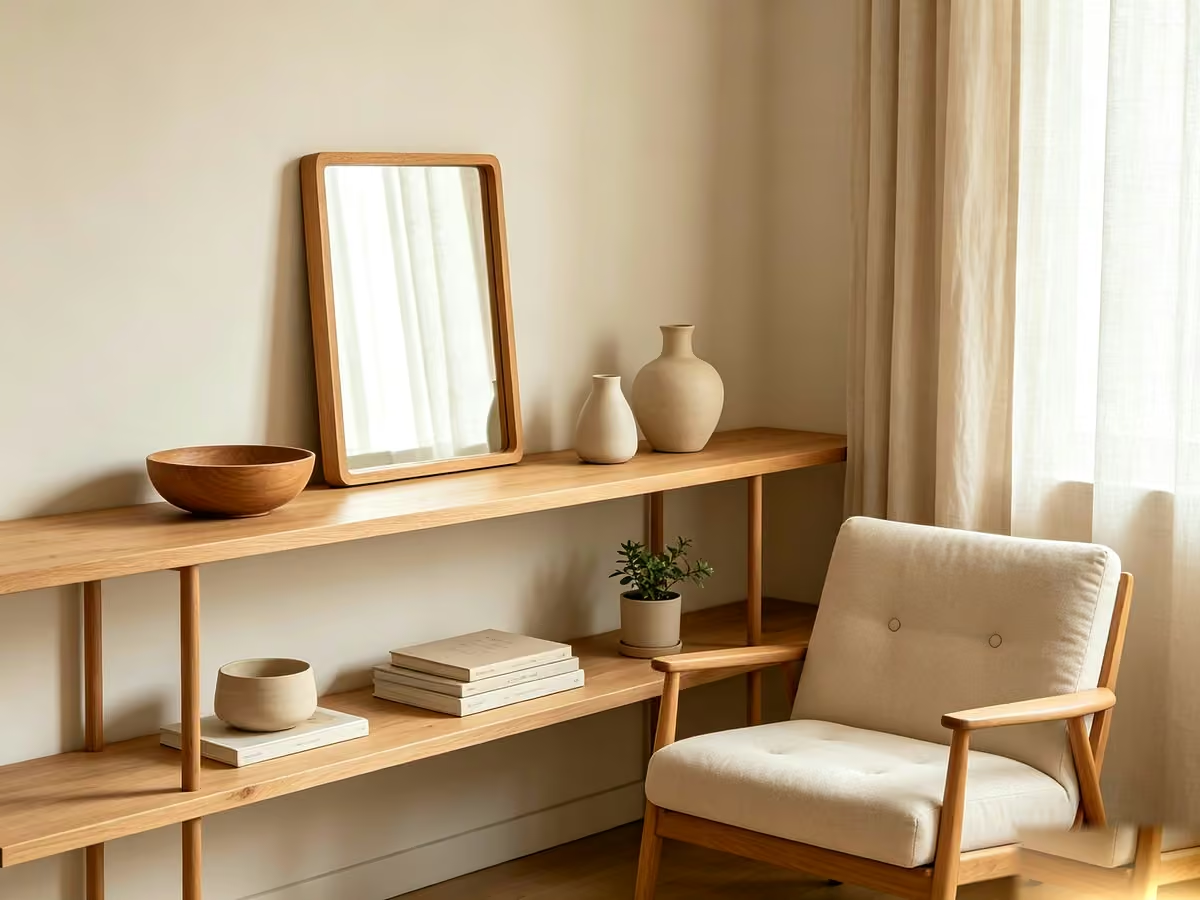
Once a surface feels cleaner, give the arrangement one clear visual anchor. A focal point does not need to be large or dramatic. A wooden tray, ceramic vase, framed photograph, decorative bowl, or small plant can be enough to give the surrounding objects a sense of order.
Choose the main piece first, then add only one or two supporting objects if the space needs them. Small differences in height and shape create interest, while too many equally prominent pieces can make the arrangement feel busy again.
3. Add One Layer of Texture
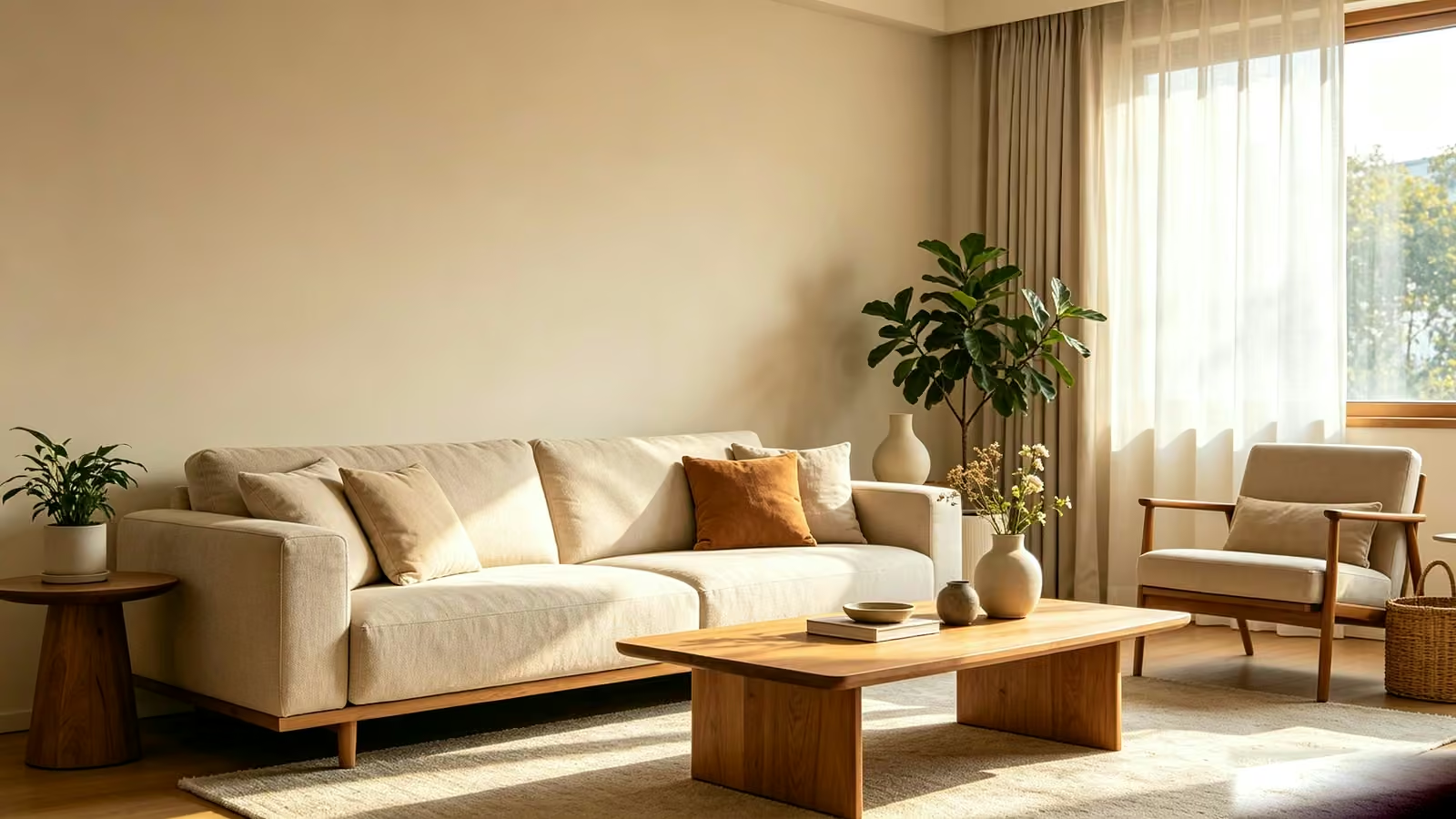
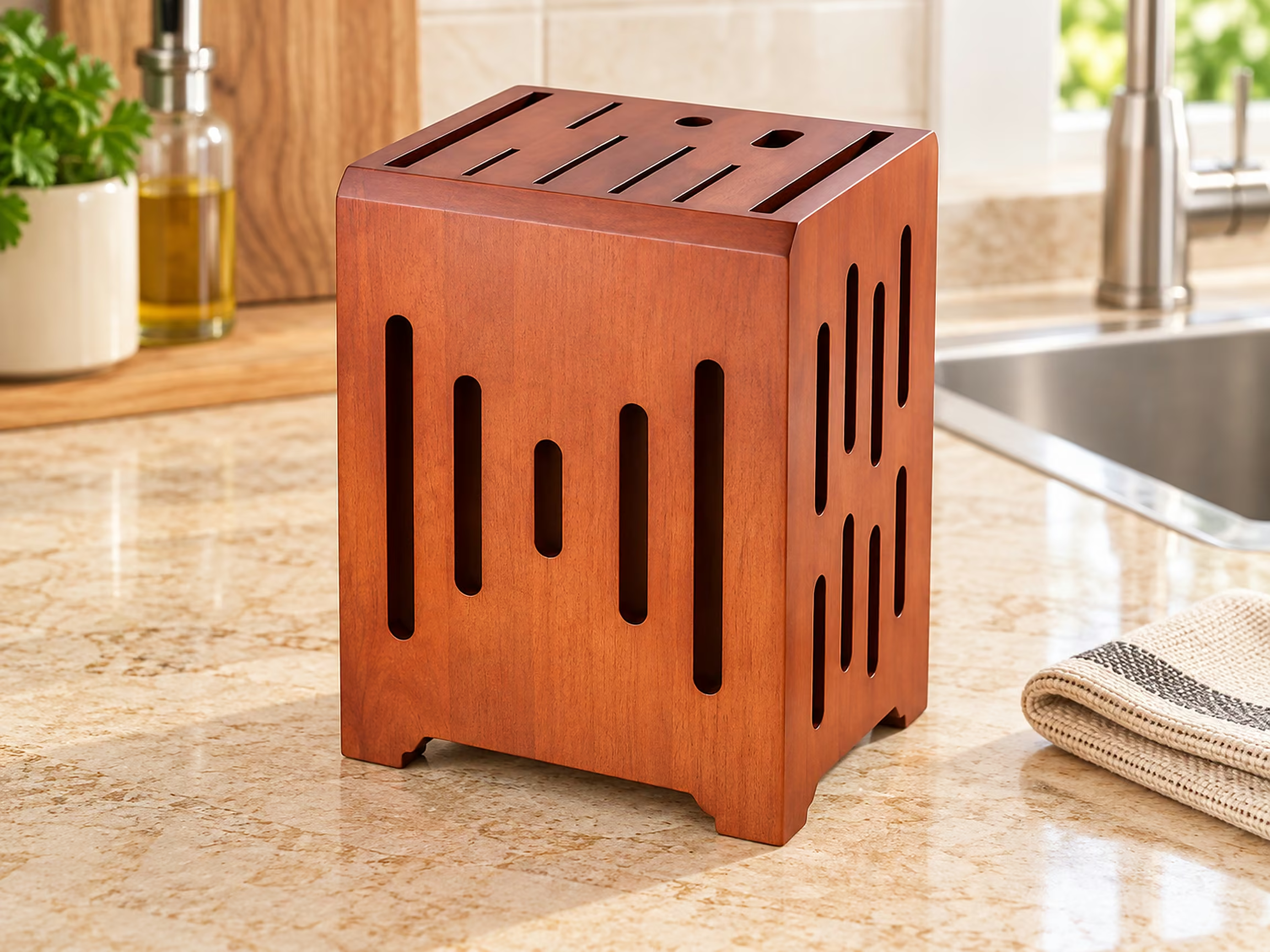
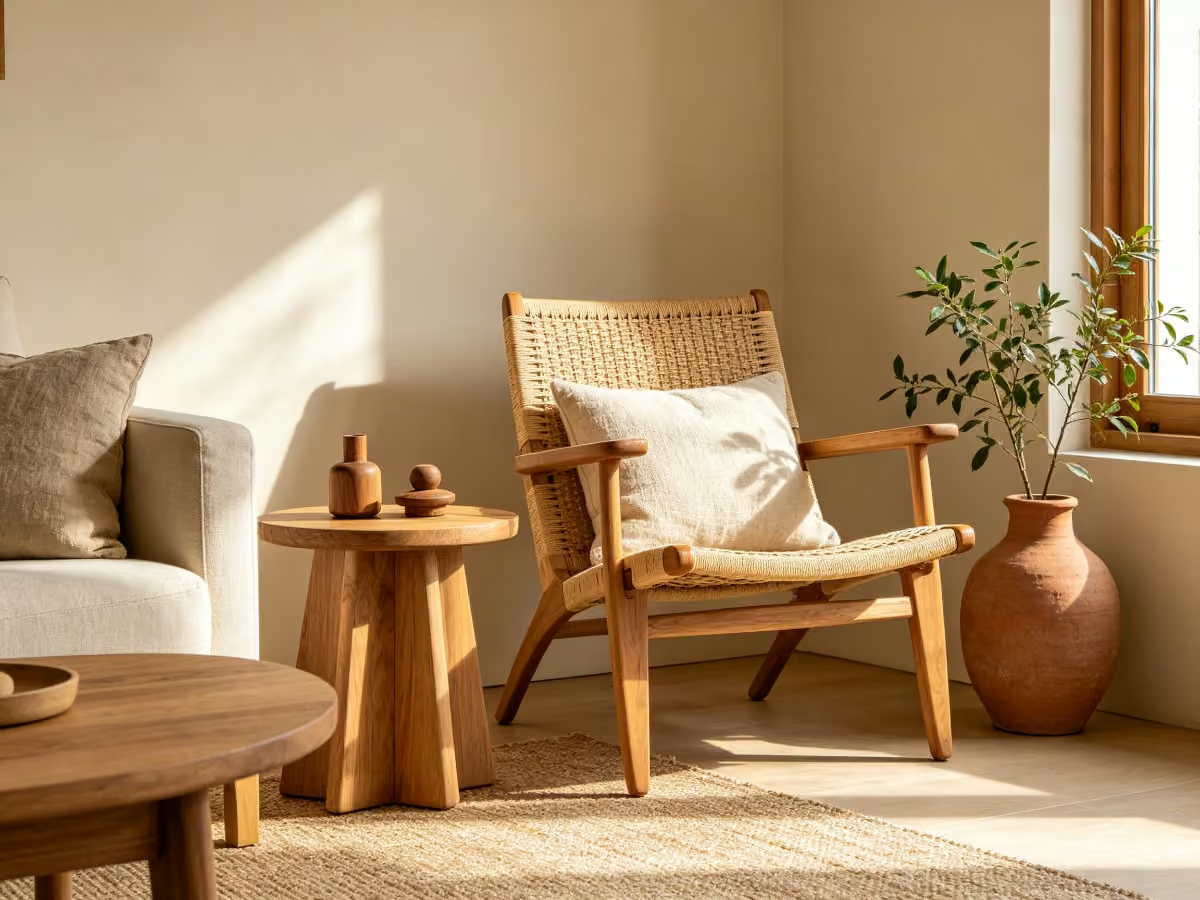
Texture can make a neutral room feel warmer without adding more visual clutter. Instead of introducing several new decorations, try changing the surface quality of just one area with a softer, rougher, woven, or naturally grained material.
Wood, linen, cotton, woven fibers, ceramics, and soft upholstery work especially well together because they create contrast without fighting for attention. A room often feels more layered when the materials are varied but the overall color palette remains calm.
Styling Tip:When a room already contains enough objects, change the texture before adding more decor. A different material often creates the visual interest you were looking for.
4. Rebalance Height and Spacing
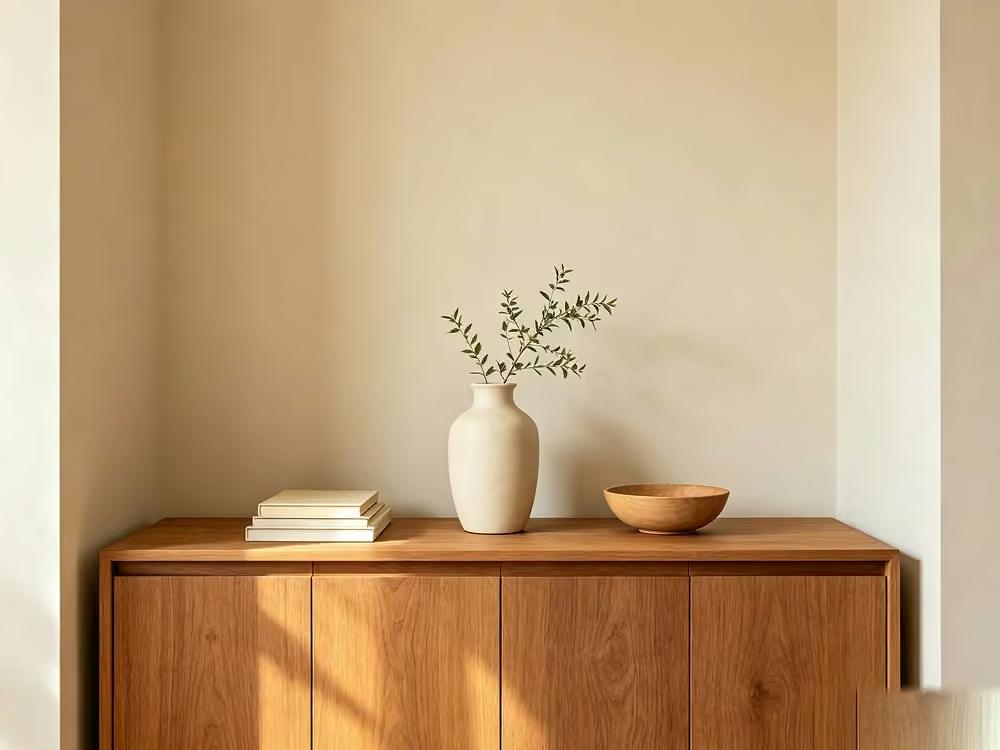
Sometimes a room feels slightly unfinished even when the individual objects look good. The problem may not be the pieces themselves, but the way their height and spacing relate to one another. If everything sits at the same level, an arrangement can feel flat; if everything is pushed close together, it can feel unnecessarily heavy.
Try changing the position of what is already there before buying anything new. Move one object slightly forward, raise another with a book, or create a little more distance between groups. Small adjustments can change the balance of an entire surface.
5. Finish with Light and Personality
The last minute is about atmosphere. Lighting affects how every color, texture, and material in a room is perceived, so a small change in light can make an existing arrangement feel noticeably warmer. During the day, make better use of natural light; in the evening, soften one area with a smaller lamp rather than relying only on a bright overhead source.
Then add one personal detail. A favorite book, framed photograph, handmade object, travel keepsake, or piece you genuinely use can make the room feel lived in rather than staged. One meaningful object usually adds more character than several generic decorations.
The 5-Minute Styling Formula
Clear one surface. Create one focal point. Add one layer of texture. Rebalance the height and spacing. Finish with better light and one personal detail.
You do not need a new room—you often just need to see the room you already have a little differently.